







































































Web Applications in Qatar

Web applications

Many Qatar teams still run their work on spreadsheets, email threads and paper forms, and nobody can see the full picture. We build browser-based systems around the way your team works: client portals, dashboards, booking tools and internal systems, with Arabic and English interfaces. Your team uses one system instead of ten files, and the data stays yours.

  • Spreadsheets replaced by one system
  • One place for your whole team
  • Reports you can export
  • Access set by role
Request a system quote
Web applications for businesses in Qatar

Where does this process run today?

Spreadsheets
Tell us how the work moves today, on sheets, email or paper, and we will quote for a first system built around it.

Plan my first system

A system
Tell us which system you use now and what it cannot do, and we will quote for replacing it or building on top of it.

Replace my system

Your process

Systems designed around the way your team already works

EN + AR

Arabic and English interfaces, with Arabic laid out right to left

Your data

Your data stays yours and can be exported when you need it

Since 2012

Websites and digital marketing for over a decade

Systems we build

Most custom systems start as one of four kinds. The proposal states which screens and features are included.

Client portal

A secure place for clients to see files and status

Internal dashboard

One screen showing your team’s work and numbers

Booking system

Bookings, slots and schedules managed in one place

Integrations

Your current tools connected so data moves once

What your system must do for your team

A system earns its cost when it removes steps your team does by hand. These are seven things a well-built system should let your team do.
Each one is tested with your users.

Woman in an abaya climbing steps that represent each stage of the process

How a custom system is built

Our working hours overlap with Qatar for most of the day from Monday to Thursday. Meetings happen by video call, and every stage ends with your approval.
You see working screens before the full build.

STEP 01. Process mapping

We sit with the people who do the work and map each step, form, approval and report as it happens today. You approve the map, so the system is built on the real process.

STEP 02. Scope and screens

We list the user roles, screens, data and reports the system needs, and agree what comes first. You approve the scope and the quote before any design or build starts.

STEP 03. Clickable prototype

We design the main screens as a clickable prototype in Arabic and English. Your team tries it, tells us what feels wrong, and we adjust it before writing the code.

STEP 04. Build in stages

We build the system in stages, starting with the parts your team needs most. You can follow each stage on a test link and give feedback before the next one begins.

STEP 05. Testing with your users

Your own users test the system in both languages with real examples of their work, and we fix what they find before the system is used for live data and real clients.

STEP 06. Launch and support

We launch the system, move any agreed data in and train your team. The proposal states the support included after launch, and how change requests are handled.

Signs you have outgrown spreadsheets

Three common problems when a growing team runs on spreadsheets and email, and how each one is fixed.

Same data typed twice

Teams copy entries between files.

  • Sign: data typed twice
  • Common cause: no single source of data
  • What we do: one shared database

Nobody knows the status

Updates live in email threads.

  • Sign: status unclear
  • Common cause: no set workflow
  • What we do: approvals in the system

Reports take days

Numbers merged by hand each month.

  • Sign: slow reports
  • Common cause: files merged by hand
  • What we do: reports built in

What you own

It should be clear from day one what belongs to you. The proposal states who owns the data, the code and the accounts.

Your data can be exported at any time.

  • Data stored in your name
  • Exports available at any time
  • Data kept when you change supplier
  • Backups set out in the proposal

  • Code ownership set in the proposal
  • Licence terms stated in writing
  • Third-party tools listed by name
  • Documents handed over at launch

  • Admin accounts in your name
  • Hosting account owned by you
  • You can remove our access anytime
  • Questions answered by email or call

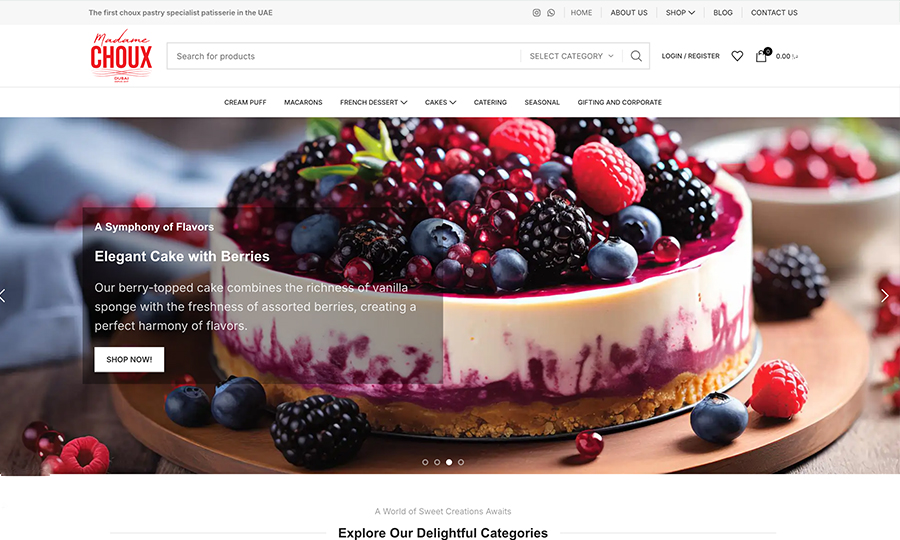
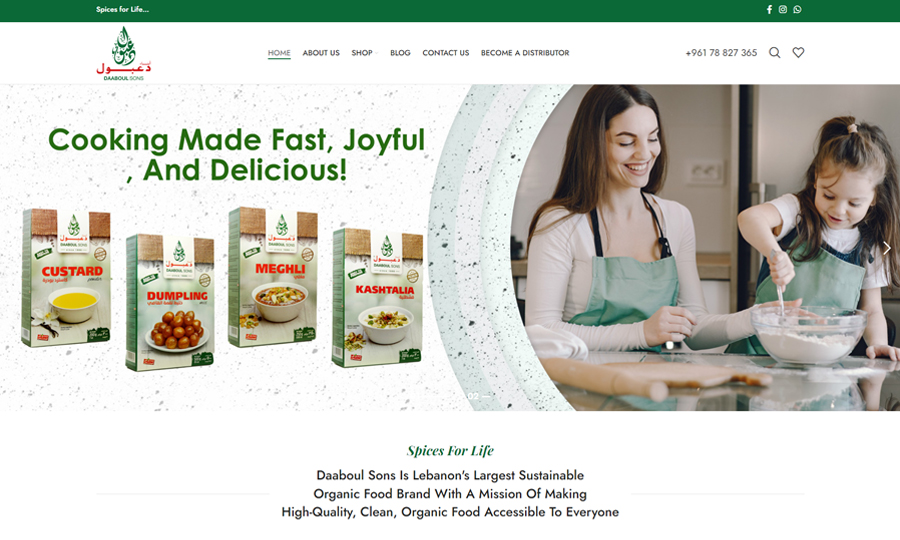
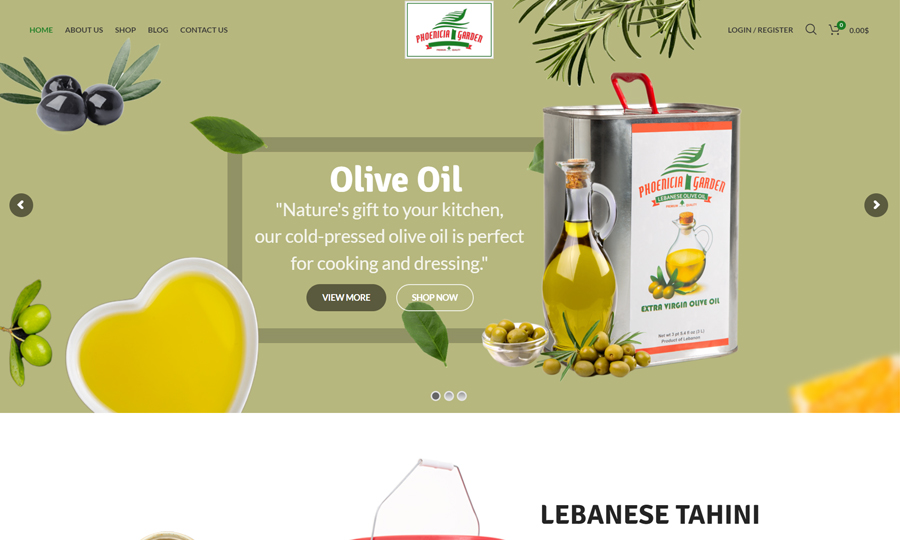
Selected Creative 4 All projects

Most of these projects are for clients outside Qatar. None is presented as a Qatar project unless it is labelled that way.
A sample of our wider work.

Madame Choux

Daaboul Sons Spices

Phoenicia Garden

Gomar Beauty UAE

Fayad Travel

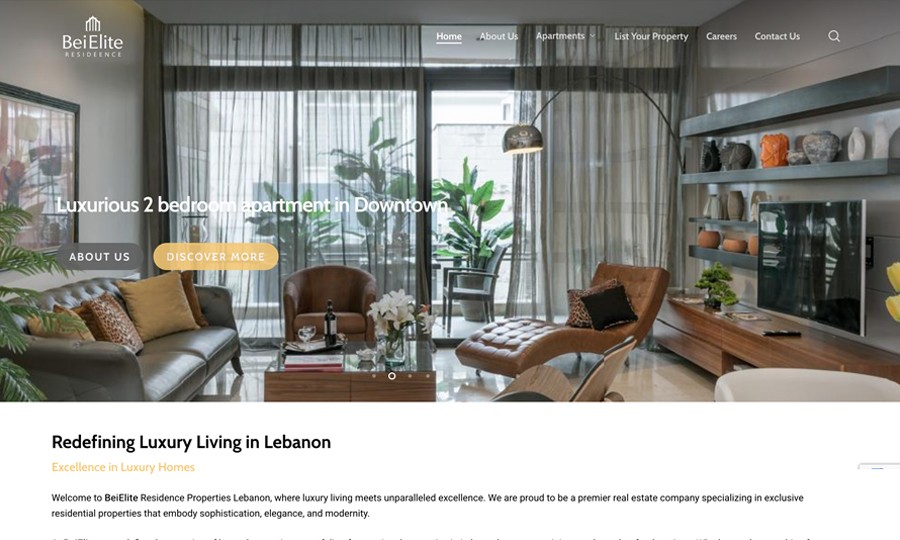
BeiElite Residence Properties

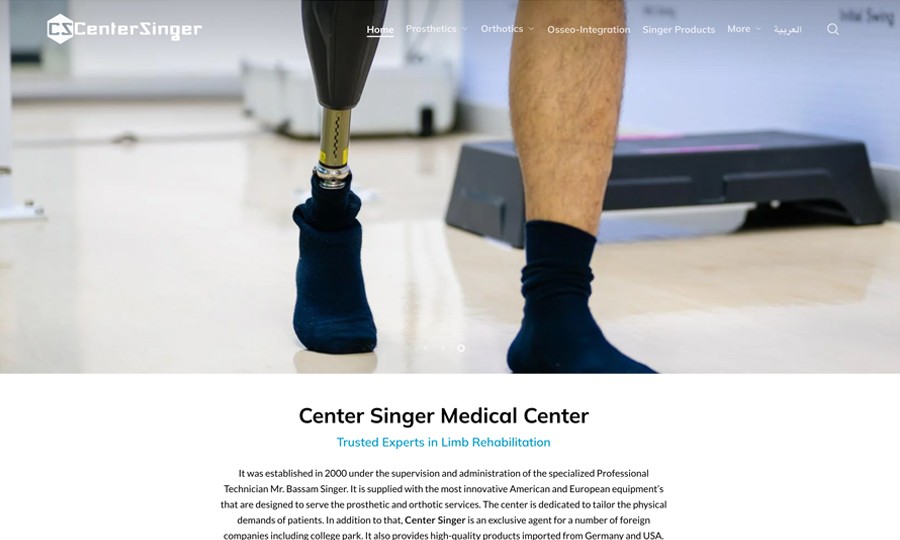
Center Singer

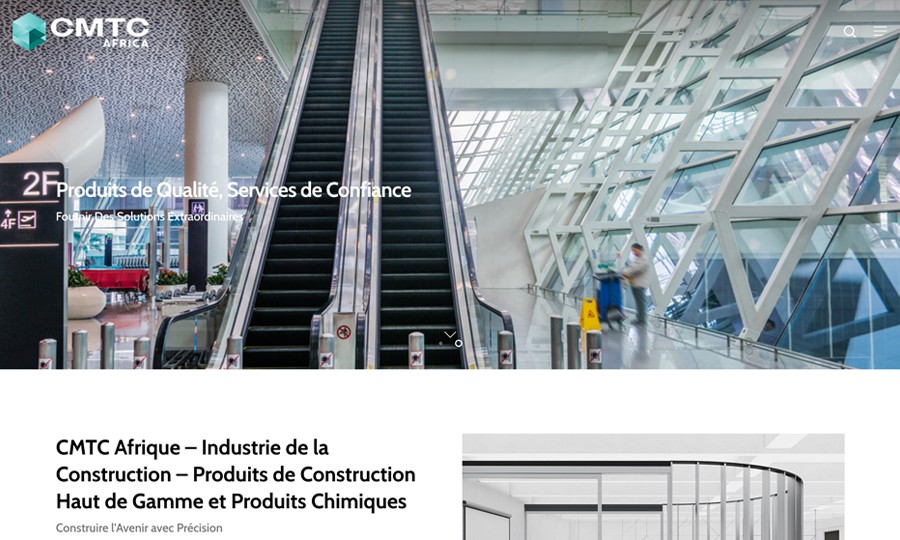
CMTC Africa

Services that support your web application

  • Ready-made systems: check first whether one of our ready business systems already fits.
  • Mobile app: give your users the same system on their phones with mobile app development.
  • AI agents: automate tasks on the tools you already use with our AI agents and automation service.
  • Hosting: run your application on a server sized for it with web hosting.
  • Company website: present your business to clients with web design.
  • WordPress: use a content system when that is all you need with WordPress and CMS services.

Each service has its own page and scope. A proposal covers only what you ask for.

Bilingual Qatar website shown on desktop, tablet and phone

Technology choices

How we choose

  • Technology agreed in the proposal
  • Chosen so others can maintain it
  • Nothing locked to one supplier

Interfaces

  • Screens that work in any browser
  • Arabic laid out right to left
  • Layouts that adjust to phones

Data and hosting

  • A database in your name
  • Hosting stated in the proposal
  • Backups on a regular schedule
Woman holding flowers in front of a phone showing business growth charts, under the words Grow your business

What to prepare

A system can only be as good as our picture of how your work runs. Gather what you can, and anything missing becomes a question in our reply.

  • Process steps: how a job moves from start to finish today, step by step.
  • Sample documents: the forms, sheets and reports your team uses now.
  • User roles: who will use the system, and what each person should see.
  • Reports: the numbers and reports you must have from the first day.
  • Other systems: any tools or software the system needs to connect to.

Not sure where to start? Send us one spreadsheet your team uses every day.

Brands that have worked with Creative 4 All

These logos belong to Creative 4 All clients across different markets and services. Not all are based in Qatar, and not all used web application services.

Where custom systems help, by sector

Some sectors depend on processes that ready software does not fit well. These are common patterns. They are examples, not a list of our Qatar clients.

Logistics: shipments, drivers and status

Education: students, classes and results

Clinics: patients, visits and records

Contracting: projects, sites and costs

Property: units, tenants and requests

Events: guests, tickets and check-in

HR: leave, requests and approvals

Distribution: orders, stock and invoices

What does a web application cost?

System quotes vary because processes, roles and integrations vary. The best way to compare them is to see which screens each one covers, and what you will pay every year after launch.

Three items to expect in a proposal:

  • Build: design, development and testing of the agreed screens and features.
  • Yearly costs: hosting, domain and any third-party services, listed separately.
  • Support: fixes and change requests after launch, set out in the proposal.

With your quote request, we confirm the roles, screens and integrations included.

Roles and screens

More user roles and screens mean more design, build and testing work.

Integrations

Each tool the system connects to adds setup, testing and upkeep.

Reports and languages

Built-in reports and two languages add work to every screen.

Staged delivery

Building in stages spreads the cost and lets you test early.

Tell us about the process you want to move online

Use the quote form to tell us how the work runs today and who does it, for example: our team manages 300 maintenance requests a month in spreadsheets, with three approval steps. We reply with the questions we need answered before preparing a proposal.

Ready-made system or custom build?

A ready-made system is faster to start and often cheaper, and it fits when your process is close to the usual way of working. Look at our ready business systems first. A custom build is worth it when your process is unique, when it must connect several tools, or when you would pay for many features you never use.

When custom is worth it

  • Your process does not match ready software
  • The system must connect several tools
  • Licence costs grow with every new user
  • You need Arabic and English done properly
  • You want to own the data and the code

Web applications FAQ

Short answers on cost, time, ownership, security, hosting, languages and support.

It depends on the user roles, screens, integrations, reports and languages. The proposal lists each item and the yearly costs, and a staged plan can spread the cost.

A focused first version usually takes a few months, and larger systems longer. The timeline depends on the scope and how fast feedback comes in, and it is set in the proposal.

Code ownership and licence terms are stated in the proposal before work starts. Your data is always yours and can be exported, whoever maintains the system later.

We limit access by role, keep the system updated and set up regular backups. We do not claim security certifications, and the proposal states how data is protected.

Hosting is agreed in the proposal and listed separately. You can host with us through our web hosting service or with a provider your business chooses.

Yes. Screens, forms and reports can be in Arabic, English or both, with Arabic laid out right to left. The proposal states which languages each part of the system uses.

Yes, in the phone browser, since the screens adjust to small sizes. If you need an app in the stores, we offer mobile app development separately.

Often, yes, if the tool allows connections. We check each one during scoping and list the integrations in the proposal, along with any costs from the tool provider.

Change requests are handled as the proposal states, either within a support plan or quoted one by one. Each change is tested before it reaches the live system.

Yes. The proposal states the support period included after launch, what it covers and how to report a problem. Longer support can be quoted separately if you want it.

No. We work with you by video call and email. Our working days overlap with Qatar for most of the day from Monday to Thursday.

Guides on planning a custom system

Articles from our blog on software, websites and digital work, to read before you decide.